

Caffeine Explained: The World’s Most Powerful Legal Nootropic or Just Society’s Favourite Addiction?
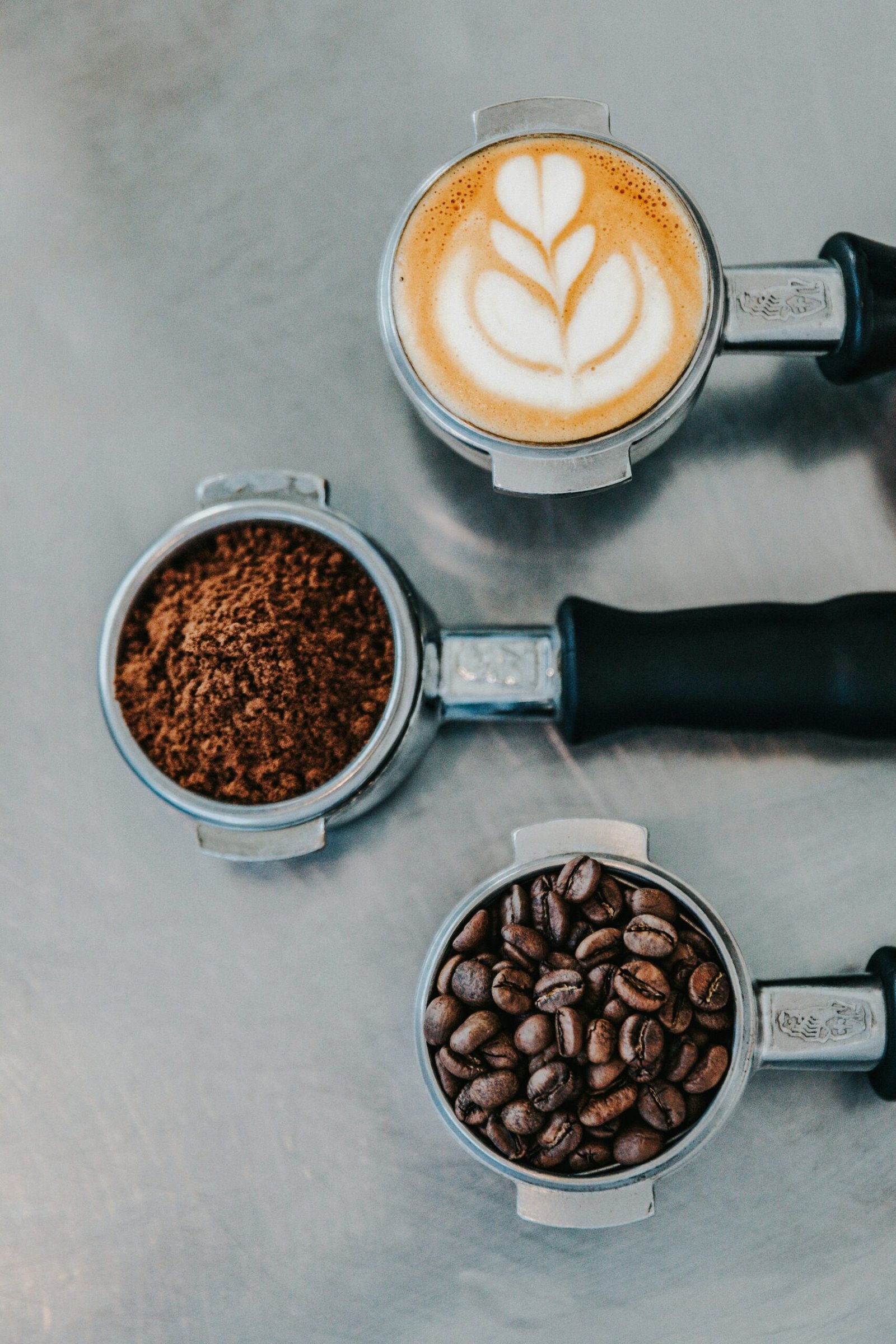
Caffeine is everywhere.
Morning coffee. Afternoon tea. Energy drinks before the gym. Chocolate during stressful work meetings. Pre-workout powders with names that sound slightly illegal. Entire office cultures practically run on the stuff.
And honestly? There is a reason for that.
Caffeine is one of the most scientifically supported performance-enhancing compounds available. In fact, when it comes to legal nootropics and ergogenic aids, very few ingredients come close to matching the evidence behind it.
It reliably improves alertness, reduces perceived fatigue, and can significantly enhance endurance performance. It works quickly, it is cheap, and humans have been consuming it for centuries.
That said, caffeine is not magic.
For every person enjoying laser focus from a perfectly timed coffee, there is somebody else vibrating through an anxiety spiral after a triple espresso and an energy drink they absolutely did not need.
Caffeine sits in a strange place nutritionally. It is incredibly effective when used correctly, yet massively overused by modern society at the same time.
So let’s properly break down what caffeine actually does, how it improves performance, where the risks start appearing, and why your relationship with it may not be quite as healthy as you think.
What Is Caffeine?
Caffeine is a naturally occurring botanical compound found in several plants including coffee beans, tea leaves, cocoa, guarana, and kola nuts.
Technically, caffeine is classified as a stimulant that acts primarily on the central nervous system.
Its main mechanism involves blocking adenosine receptors in the brain.
Adenosine is a neurotransmitter involved in promoting tiredness and relaxation. As adenosine builds throughout the day, you gradually feel more fatigued. Caffeine temporarily blocks that signal, making you feel more awake and alert.
That simple biological trick is basically responsible for half the global workforce functioning before 9am.
Why Caffeine Works So Well
Unlike many trendy supplements with weak evidence and impressive marketing budgets, caffeine genuinely works.
Research consistently shows benefits for:
- Alertness
- Reaction time
- Attention
- Wakefulness
- Endurance performance
- Some high-intensity exercise performance
- Reduced perceived effort during exercise
In sports science, caffeine is considered one of the most evidence-based legal ergogenic aids available.
That matters because sports nutrition is flooded with supplements that promise elite performance while delivering little more than expensive urine.
Caffeine is different. The evidence is genuinely strong.
Does Caffeine Improve Cognition Long Term?
This is where nuance matters.
Caffeine clearly improves short-term alertness and focus. That part is well established.
However, caffeine is not considered a chronic cognitive-health supplement in the same way certain nutrients or lifestyle interventions may support long-term brain health.
It helps you feel more awake and mentally sharp temporarily. That does not automatically mean it protects cognition decades later.
Some observational research links coffee consumption with certain health benefits, but separating caffeine itself from other coffee compounds and broader lifestyle patterns becomes complicated very quickly.
Nutritional science rarely enjoys being simple for more than five minutes.
How Much Caffeine Is Effective?
For alertness and cognitive performance, common effective doses are around 100 to 200 mg.
In sports performance research, doses are often calculated relative to body weight, commonly around 1 to 3 mg per kilogram.
Timing matters too.
Caffeine is often most effective when taken roughly 30 to 60 minutes before a mentally demanding task or physical activity.
That is why pre-workout supplements, caffeine gum, strong coffee, and energy shots are usually consumed shortly before training or competition.
Although some people appear to treat caffeine timing like a full-time tactical operation involving spreadsheets and wearable tech.
How Much Is Too Much?
For most healthy adults, daily caffeine intake up to around 400 mg is generally considered safe.
That said, tolerance varies massively between individuals.
Some people can drink coffee after dinner and sleep peacefully. Others develop heart palpitations after half an energy drink and start questioning every life choice they’ve made since secondary school.
Pregnancy requires extra caution. Current guidance generally recommends lower intake ceilings during pregnancy because high caffeine consumption may increase certain risks.
Children and adolescents should also avoid excessive intake, particularly from highly concentrated energy products.
Common Side Effects of Caffeine
Caffeine side effects are extremely well known because millions of people experience them daily.
Potential side effects include:
- Anxiety
- Insomnia
- Heart palpitations
- Tremor or shakiness
- Acid reflux
- Digestive discomfort
- Restlessness
- Increased heart rate
Higher doses increase risk significantly, especially when combined with sleep deprivation, stress, fasting, or intense exercise.
Which unfortunately describes about 70% of modern adult life.
Dependence and Withdrawal Are Real
This part often gets brushed aside because caffeine is socially normalised.
But caffeine dependence absolutely exists.
Regular intake can lead to tolerance, meaning larger amounts may eventually be required to achieve the same perceived effects.
Stopping suddenly after habitual use may trigger withdrawal symptoms such as:
- Headaches
- Fatigue
- Irritability
- Brain fog
- Low mood
- Difficulty concentrating
For some people, caffeine is genuinely performance-enhancing. For others, they are simply consuming enough daily caffeine to temporarily feel normal again.
There is a difference.
Natural Sources of Caffeine
Caffeine naturally occurs in several foods and beverages including:
- Coffee
- Tea
- Cocoa
- Dark chocolate
- Guarana
- Kola nut products
Modern caffeine intake also comes heavily from manufactured products including:
- Energy drinks
- Pre-workout supplements
- Caffeine tablets
- Caffeine gum
- Powders
- Liquid shots
Some highly concentrated caffeine powders have created serious safety concerns because extremely small measuring errors can produce dangerous doses.
That is one reason why concentrated powdered stimulants deserve considerably more respect than TikTok challenge culture tends to give them.
Different Forms of Caffeine
Caffeine is available in many formats:
- Tablets
- Capsules
- Chewing gum
- Powders
- Liquids
- Energy products
Different forms may vary slightly in absorption speed and convenience, but the active compound remains caffeine.
Caffeine gum may absorb more rapidly because some absorption occurs through tissues in the mouth. Coffee and tea also contain additional biologically active compounds beyond caffeine itself.
Who Should Be More Careful With Caffeine?
Certain individuals may need extra caution or lower intake, including people with:
- Anxiety disorders
- Insomnia
- Heart rhythm issues
- Acid reflux
- Pregnancy
- High stimulant sensitivity
Genetics also influence caffeine metabolism. Some individuals break caffeine down quickly while others process it far more slowly.
Which explains why your friend can drink six coffees and still nap peacefully while you become spiritually unwell after a large latte.
Final Thoughts
Caffeine has earned its reputation as one of the most effective legal nootropics and performance aids available. Strong evidence supports its ability to improve alertness, endurance, and certain aspects of physical and mental performance.
At the same time, more caffeine does not always equal better results.
Used intelligently, caffeine can absolutely be a valuable tool. Used recklessly, it can wreck sleep, amplify anxiety, increase dependence, and leave people running on artificial stimulation instead of proper recovery.
Modern society tends to celebrate productivity while quietly ignoring exhaustion. Caffeine often becomes the bridge between the two.
Sometimes a coffee genuinely helps performance.
Sometimes it is just masking the fact you needed sleep three days ago.
Tags
caffeine, nootropics, energy drinks, coffee, sports performance, alertness, endurance, supplements, caffeine side effects, pre workout, brain health, ergogenic aids, caffeine dosage, tea, wellness