
Biotin Explained: Benefits, Deficiency Signs, Hair Claims & Safety Risks
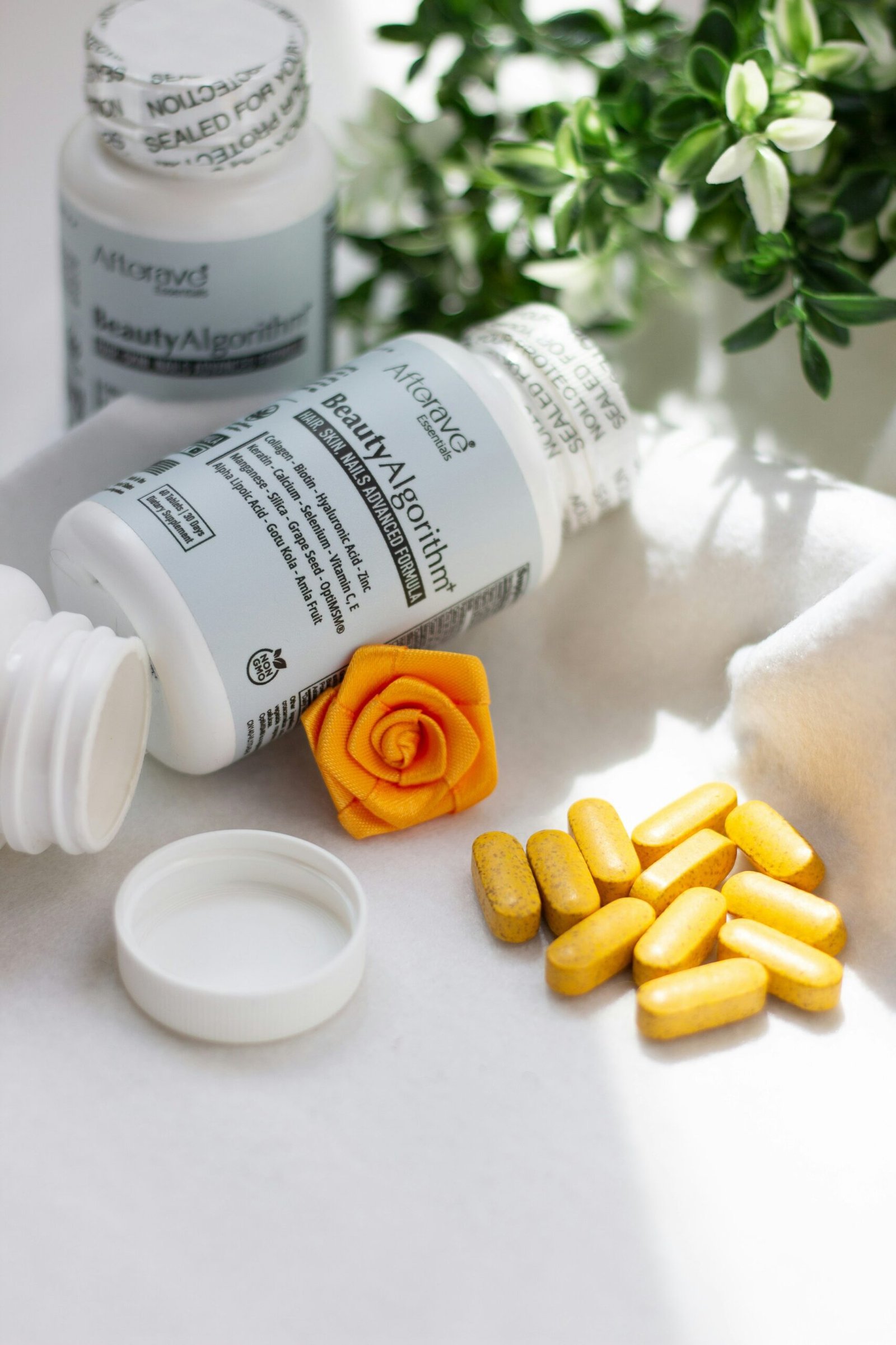
Biotin has become one of the biggest names in the supplement world. Walk into almost any health store and you will see shelves packed with “hair, skin, and nails” formulas promising thicker hair, stronger nails, and glowing skin. Most of them contain large amounts of biotin, also known as vitamin B7.
But here’s the interesting part. Despite the marketing hype, the actual science behind biotin is far more nuanced than social media ads make it look.
Biotin is absolutely essential for human health. Your body needs it. Without enough of it, several important metabolic processes begin to suffer. However, that does not automatically mean mega-dosing biotin will transform your hairline into something worthy of a shampoo commercial.
So what does biotin really do? Who actually benefits from supplementation? And why are healthcare professionals increasingly warning people about high-dose biotin products interfering with blood tests?
Let’s break it all down properly.
What Is Biotin?
Biotin, also called vitamin B7 or sometimes vitamin H, is a water-soluble B vitamin involved in energy metabolism. It helps the body convert carbohydrates, fats, and proteins into usable energy.
More specifically, biotin acts as a coenzyme for several carboxylase enzymes. These enzymes are involved in important biological pathways including fatty acid synthesis, amino acid metabolism, and glucose production.
In plain English, biotin helps your body process nutrients efficiently and keep certain metabolic systems running smoothly.
Because it is water-soluble, the body does not store large amounts of biotin long term. Excess amounts are usually excreted in urine. That means regular dietary intake matters.
What Does Biotin Actually Help With?
Biotin has several evidence-based uses, although some are much stronger than others.
1. Treating Biotin Deficiency
This is the clearest and most scientifically supported use for biotin.
True biotin deficiency is relatively uncommon, but it can happen. Symptoms may include:
- Hair thinning or hair loss
- Brittle nails
- Skin rashes, particularly around the face
- Fatigue
- Depression or mood changes
- Numbness or tingling
- Neurological symptoms in severe cases
People at higher risk of deficiency include those with certain inherited metabolic disorders, chronic alcohol misuse, prolonged antibiotic use, or long-term parenteral nutrition without proper supplementation.
One unusual cause involves consuming large quantities of raw egg whites over long periods. Raw egg whites contain avidin, a protein that binds biotin and reduces absorption. Cooking destroys avidin, so normal cooked eggs are not a problem.
2. Certain Inherited Metabolic Disorders
Biotin supplementation is medically used in several rare inherited enzyme disorders. In these cases, high-dose biotin can be clinically important and sometimes life-changing.
Examples include biotinidase deficiency and holocarboxylase synthetase deficiency. These conditions impair the body’s ability to use or recycle biotin effectively.
This is specialised medical territory though. Treatment should always be supervised by healthcare professionals.
3. Hair and Nail Health
This is where things become a bit complicated.
Biotin supplements are heavily marketed for hair growth and stronger nails. Some people swear by them. However, the actual scientific evidence supporting biotin for healthy individuals without deficiency is surprisingly weak.
Research does show that people with genuine biotin deficiency may experience improvements in hair and nail quality after supplementation. That makes complete sense biologically.
But in otherwise healthy people with normal biotin status, studies have not consistently shown dramatic improvements.
That does not stop beauty supplements from including 5,000 mcg or even 10,000 mcg per serving. Those doses are massively above normal nutritional requirements.
Some users still report subjective benefits. Whether this comes from correcting mild undiagnosed insufficiency, placebo effect, or other ingredients in combined formulas is not entirely clear.
The bottom line is simple. Biotin is essential for healthy hair and nails, but taking huge amounts does not guarantee better results if you are already getting enough.
4. Cognitive Performance and Exercise Performance
There is currently no established evidence that biotin improves cognition, focus, memory, athletic performance, or muscle growth in healthy people.
It is not considered a nootropic. It is also not recognised as an ergogenic aid.
That hasn’t stopped some supplement companies from sneaking it into “brain formulas” and “performance stacks,” but the supporting data simply is not there at present.
How Much Biotin Do You Actually Need?
The adequate intake level for adults is approximately 30 micrograms per day.
That is mcg, not mg. There is a huge difference.
Many beauty supplements contain doses ranging from 2,500 mcg to 10,000 mcg. Some even go beyond that. These products deliver far more than what the body normally requires nutritionally.
Timing is not particularly important with biotin supplementation. It can generally be taken with or without food, although taking it alongside meals may reduce mild stomach discomfort in sensitive individuals.
The Biggest Warning Nobody Talks About Enough
This section matters. A lot.
High-dose biotin supplements can interfere with numerous laboratory blood tests.
And we are not talking about tiny lab fluctuations either. In some cases, the interference can produce dangerously misleading results.
Tests potentially affected include:
- Thyroid hormone testing
- Troponin assays used during suspected heart attacks
- Certain hormone tests
- Vitamin D tests
- Some fertility-related markers
False results could potentially lead to misdiagnosis, unnecessary investigations, or delayed treatment.
For example, high biotin intake has been reported to falsely lower troponin results in some assays. Troponin testing is critical when doctors suspect cardiac injury. That’s obviously not something anyone wants distorted by a beauty gummy.
The FDA has previously issued safety communications about this issue.
If you take high-dose biotin, always inform healthcare professionals before blood tests. Some clinicians may advise stopping supplementation temporarily beforehand depending on the test being performed.
Best Food Sources of Biotin
You can obtain biotin naturally through a balanced diet, and many people already do.
Good dietary sources include:
- Egg yolks
- Liver
- Salmon
- Nuts
- Seeds
- Sweet potatoes
- Legumes
- Mushrooms
Gut bacteria may also produce small amounts of biotin, although the exact contribution to human nutritional status remains uncertain.
Different Forms of Biotin Supplements
Biotin supplements come in several formats:
- Tablets
- Capsules
- Gummies
- Liquids
From an effectiveness standpoint, there is no strong evidence suggesting one standard oral form is dramatically superior to another for most people.
Choosing a format often comes down to convenience, taste, ingredient preferences, and cost.
Though honestly, some gummies are basically expensive sweets with a vitamin label attached. A little harsh perhaps, but not entirely inaccurate.
Should You Take a Biotin Supplement?
Maybe. Maybe not.
If you have a diagnosed deficiency, certain medical conditions, or dietary limitations that reduce intake, supplementation can absolutely be beneficial.
If you are healthy, eat a varied diet, and simply want better hair or nails, the evidence is much less convincing.
That does not mean biotin is useless. It simply means expectations should stay realistic.
Sometimes the supplement industry sells certainty where the science only offers possibility.
Final Thoughts
Biotin is a genuinely important vitamin with clear biological roles in metabolism and health. It is essential for life, supports normal enzyme activity, and helps maintain healthy tissues.
However, the leap from “essential nutrient” to “miracle beauty solution” is where marketing often outruns evidence.
For people with deficiency, biotin supplementation can make a real difference. For everyone else, the benefits may be far more subtle than social media influencers would like you to believe.
One thing is absolutely worth remembering though. If you use high-dose biotin supplements, always mention them before medical testing. That small detail could genuinely matter.
And honestly, that warning deserves way more attention than another “hair growth hack” video filmed under suspiciously good lighting.
Tags
biotin, vitamin b7, hair supplements, nail health, biotin deficiency, beauty supplements, vitamins, nutrition, hair growth, wellness, supplement guide, metabolic health